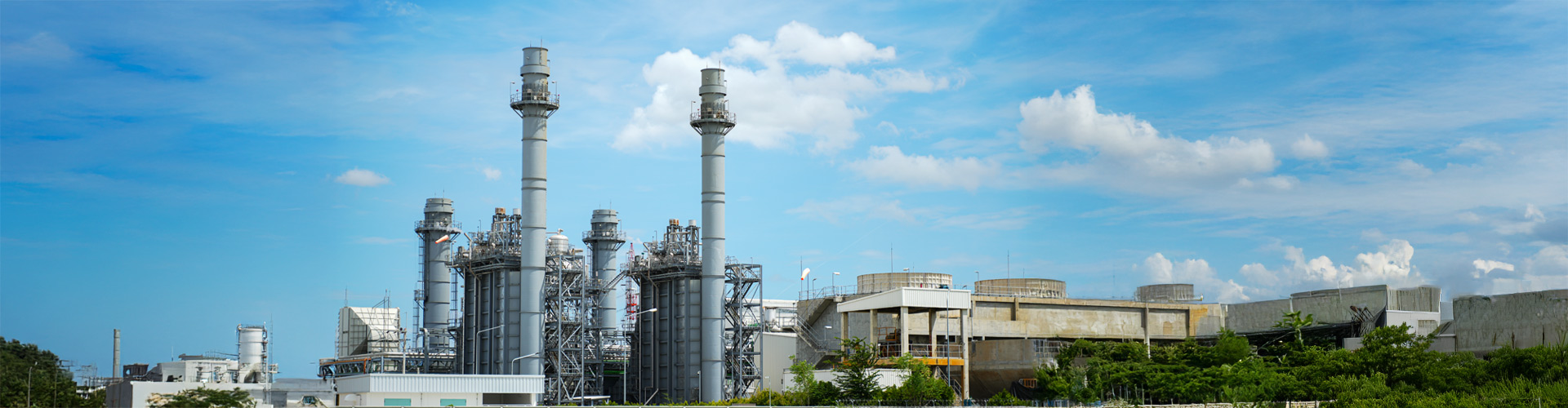
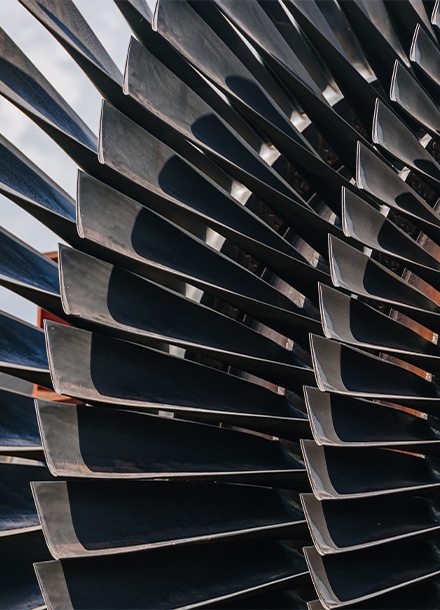
Gas turbine technology delivers dependable, high-efficiency power with a lower carbon footprint. At Pedison Energy, we harness this innovation to meet today’s energy needs while protecting tomorrow’s environment.
Gas turbine energy is a proven, efficient, and dependable method of power generation, playing a critical role in meeting today’s growing energy needs. Fueled primarily by natural gas or other gaseous fuels, gas turbines work by converting fuel energy into mechanical energy through combustion. This mechanical power drives a generator, producing electricity for residential, commercial, and industrial use.
At Pedison Energy, we strongly advocate the adoption of gas turbine technology because it offers a significantly lower carbon footprint compared to other fossil fuel–based power generation methods. This makes it not only a practical choice for reliable energy but also a responsible step toward cleaner, more sustainable power solutions.

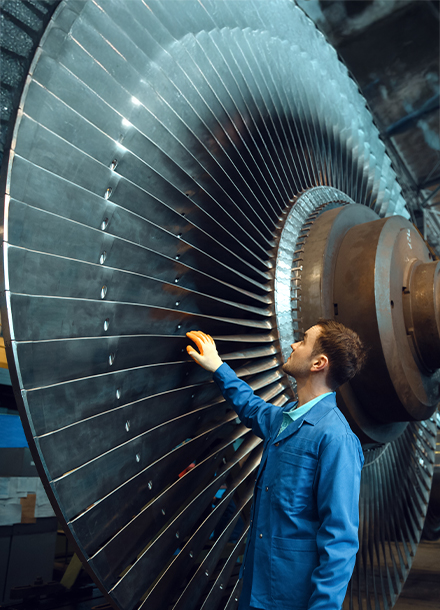
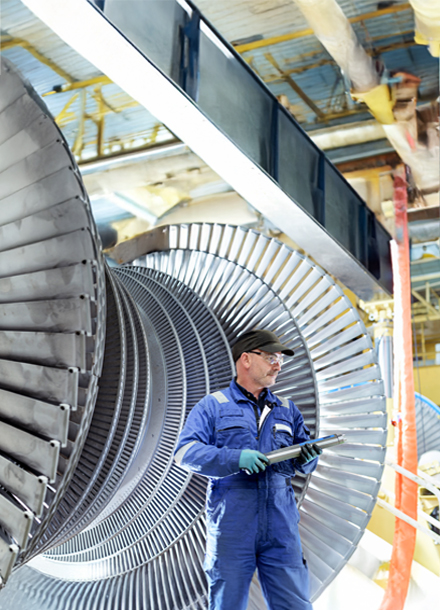
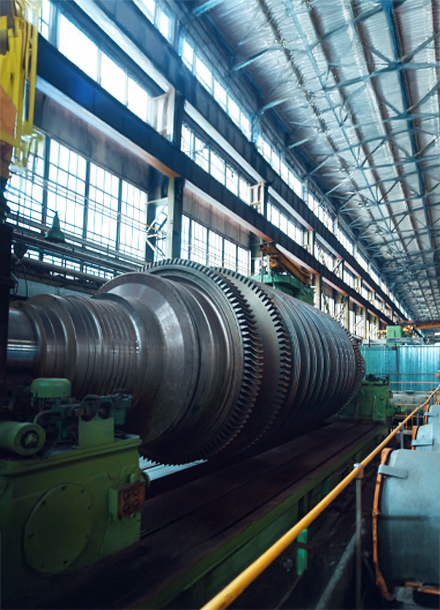
A gas turbine functions by compressing air, mixing it with fuel, and igniting the mixture in a combustion chamber. The resulting high-temperature, high-pressure gases expand through turbine blades, causing them to spin. This rotation powers a generator, producing electricity. The process is streamlined, with fewer moving parts compared to other power generation technologies, resulting in high reliability and low maintenance requirements.

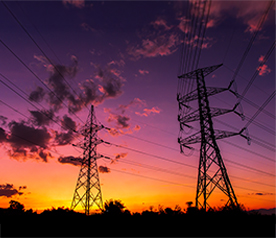
Gas turbines are a bridge between traditional fossil fuel power and a renewable future. They complement solar and wind generation by providing dependable backup when renewable output fluctuates, ensuring grid stability. With ongoing advancements in turbine design, materials, and hydrogen-fuel capability, gas turbines will remain an essential part of a low-carbon, flexible, and resilient energy system.
At Pedison Energy, we leverage gas turbine technology to deliver clean, efficient, and cost-effective power solutions while exploring integrations with renewable energy sources to support a sustainable and secure energy future.